Skip to Main Content
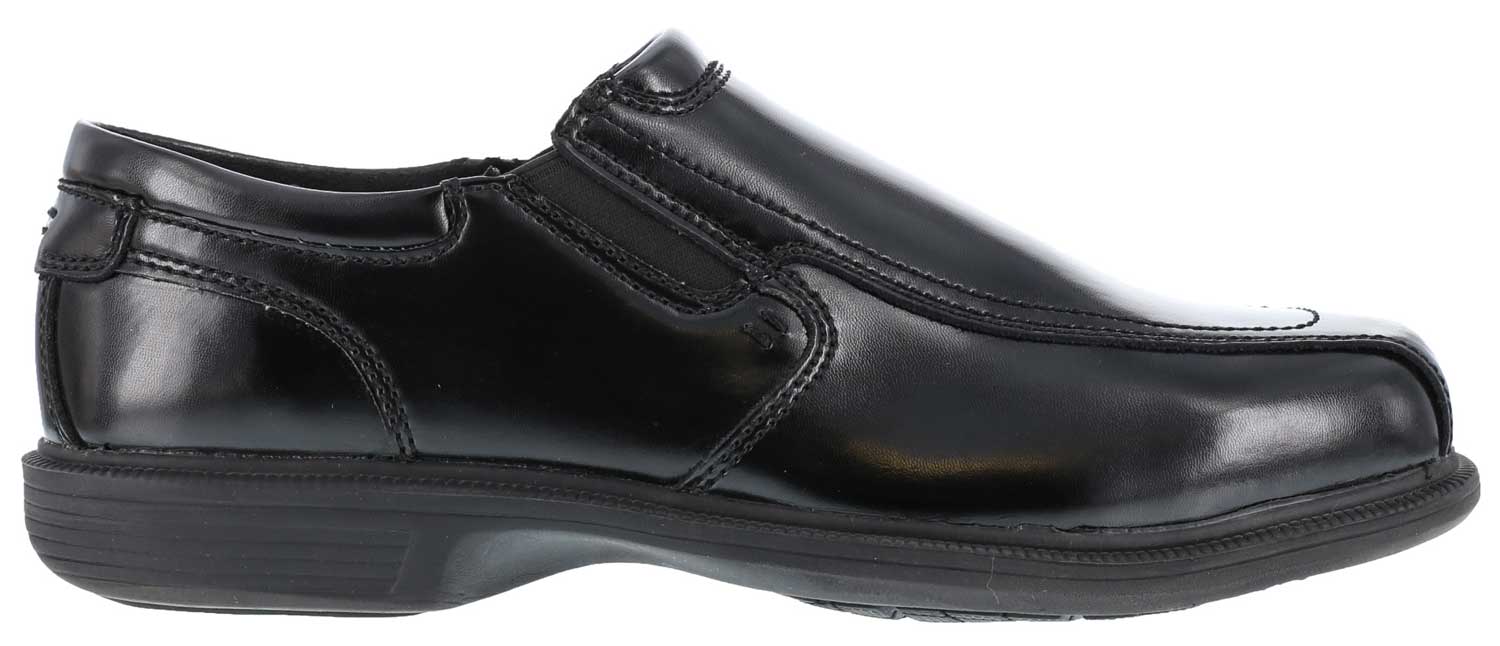
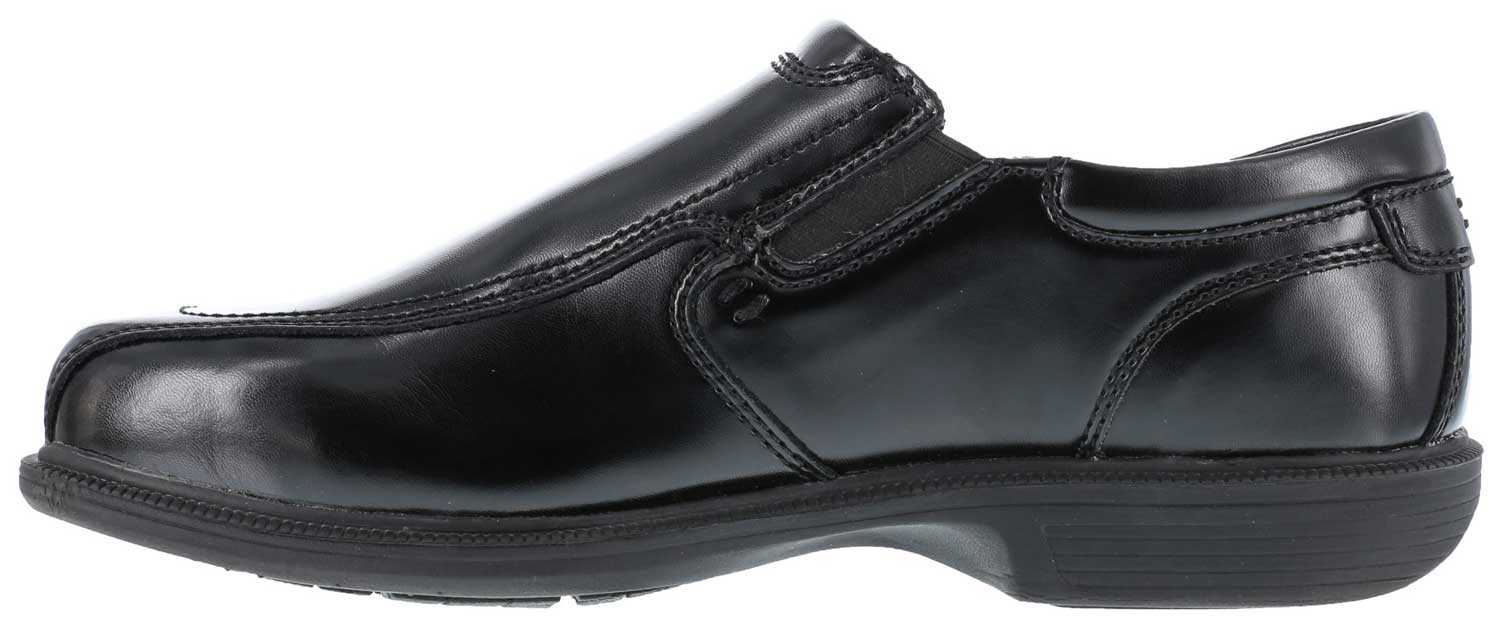
  • view #1 of: Men's Black Coronis Steel Toe Static Dissipative SRO Slip-On Dress Shoe
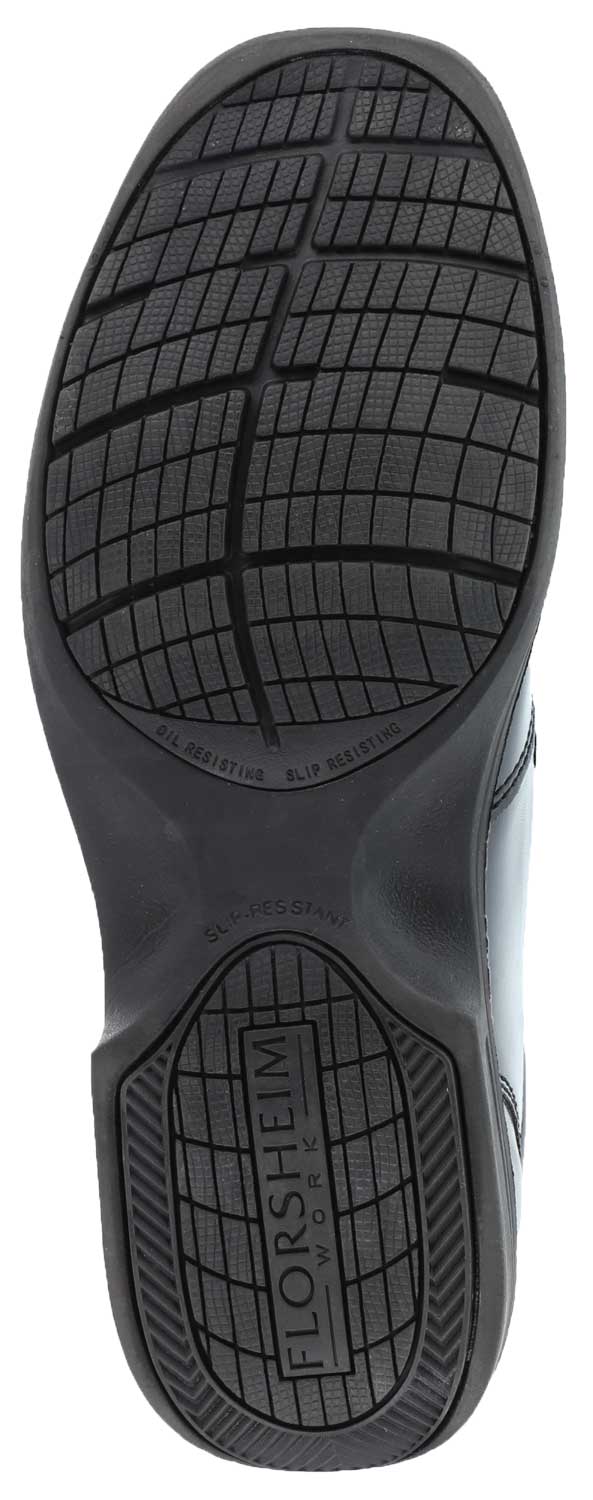
  • alternate view #2 of: Men's Black Coronis Steel Toe Static Dissipative SRO Slip-On Dress Shoe
  • alternate view #3 of: Men's Black Coronis Steel Toe Static Dissipative SRO Slip-On Dress Shoe
  • alternate view #4 of: Men's Black Coronis Steel Toe Static Dissipative SRO Slip-On Dress Shoe

FLORSHEIMMen's Black Coronis Steel Toe Static Dissipative SRO Slip-On Dress Shoe

WGFS2005

$139.95


Safety Features:

STEEL SAFETY TOESTEEL SAFETY TOEIn 1995 OSHA began enforcing a new standard for personal protective equipment. As part of this standard employers now require ASTM F2413-24 rated safety footwear in areas where employees are exposed to injury as a result of falling or rolling objects. All steel toe boots with this icon meet or exceed ASTM F2413-24 I/C standards.Search For: STEEL SAFETY TOESTATIC DISSIPATIVE 35STATIC DISSIPATIVE 35Static dissipative (SD) shoes regulate the build-up of electrical charge in an employee\\\\\\\'s body. Static dissipative (SD) shoes are commonly used in the manufacturing of computer components, solvent-based paints, and plastics, and help reduce the risk of static shock to people and to the manufactured product. All safety toe styles marked with the \\\\\\\"SD 35\\\\\\\" icon meet the ASTM F2413-24 SD35 / ASTM F2892-24 SD35 standards with a lower limit of electrical resistance of 106ohms and an upper limit of 3.5 x 10⁷ohms (35 megohms).Search For: STATIC DISSIPATIVE 35SLIP RESISTANTSLIP RESISTANTSlip resistant safety footwear is the fastest growing segment of the safety footwear industry. For many employers with wet, oily, and/or greasy floors, it is common sense to require slip resistant safety footwear. Slip related injuries can be extremely costly. No shoe is slip proof, however employers who require slip resistant shoes can reduce worker’s compensation claims.ASTM SROASTM SROTesting that focuses on performance not only in wet and dry conditions with a minimum COF requirement of 0.40, but also oily/wet conditions with a minimum COF requirement of 0.33. Previously referred to as ‘high soil’ oily/wet in other testing methodologies. All styles marked with the “SRO” icon meet the ASTM F2913-24 or ASTM F3445-24 SRO standard.Solid Upper (no mesh)Solid Upper (no mesh)Footwear constructed with non-mesh materials in the upper, offering full coverage and enhanced protection. These styles are ideal for environments where exposure to debris, liquids, or contaminants is a concern.
NOTE: Actual quantity on hand may be lower. We expect to have more in stock by .

This combination of size & width is not available.


Product Details

Leather upper. Twin elastic side gores. Micro fiber suede lining. Removable EVA cushion insert with comfort heel gel. EVA cushioned midsole with slip resistant rubber outsole. Steel toe. SD. ASTM F2413-24 I/C SD SRO compliant.

Safety Features

STEEL SAFETY TOE
STEEL SAFETY TOE
In 1995 OSHA began enforcing a new standard for personal protective equipment. As part of this standard employers now require ASTM F2413-24 rated safety footwear in areas where employees are exposed to injury as a result of falling or rolling objects. All steel toe boots with this icon meet or exceed ASTM F2413-24 I/C standards.
STATIC DISSIPATIVE 35
Static dissipative (SD) shoes regulate the build-up of electrical charge in an employee\\\\\\\'s body. Static dissipative (SD) shoes are commonly used in the manufacturing of computer components, solvent-based paints, and plastics, and help reduce the risk of static shock to people and to the manufactured product. All safety toe styles marked with the \\\\\\\"SD 35\\\\\\\" icon meet the ASTM F2413-24 SD35 / ASTM F2892-24 SD35 standards with a lower limit of electrical resistance of 106ohms and an upper limit of 3.5 x 10⁷ohms (35 megohms).
SLIP RESISTANT
SLIP RESISTANT
Slip resistant safety footwear is the fastest growing segment of the safety footwear industry. For many employers with wet, oily, and/or greasy floors, it is common sense to require slip resistant safety footwear. Slip related injuries can be extremely costly. No shoe is slip proof, however employers who require slip resistant shoes can reduce worker’s compensation claims.
ASTM SRO
ASTM SRO
Testing that focuses on performance not only in wet and dry conditions with a minimum COF requirement of 0.40, but also oily/wet conditions with a minimum COF requirement of 0.33. Previously referred to as ‘high soil’ oily/wet in other testing methodologies. All styles marked with the “SRO” icon meet the ASTM F2913-24 or ASTM F3445-24 SRO standard.
Solid Upper (no mesh)
Footwear constructed with non-mesh materials in the upper, offering full coverage and enhanced protection. These styles are ideal for environments where exposure to debris, liquids, or contaminants is a concern.